Event porta potty rentals
Portable restroom setups for festivals, sports fields, markets, private gatherings, and public-facing events where guest flow matters.
Get A QuoteSyracuse portable restroom rentals
Syracuse Porta Potty Rentals helps organizers, site teams, and property planners compare the right portable restroom, trailer, accessible unit, and handwashing options for their setting.
01 / Portable sanitation services
Compare the portable restroom services most often needed for gatherings, construction activity, long-term placements, public access, guest comfort, and hygiene support.
Portable restroom setups for festivals, sports fields, markets, private gatherings, and public-facing events where guest flow matters.
Get A QuoteDurable jobsite units for crews, renovation work, utility projects, and long-running builds that need practical access.
Get A QuoteFinished restroom options for weddings, corporate functions, and settings where presentation and guest comfort carry more weight.
Get A QuoteAccessible unit planning with a clear, stable approach route built into the conversation from the start.
Get A QuoteHandwashing stations placed where crews and guests naturally pause, eat, arrive, or transition between activities.
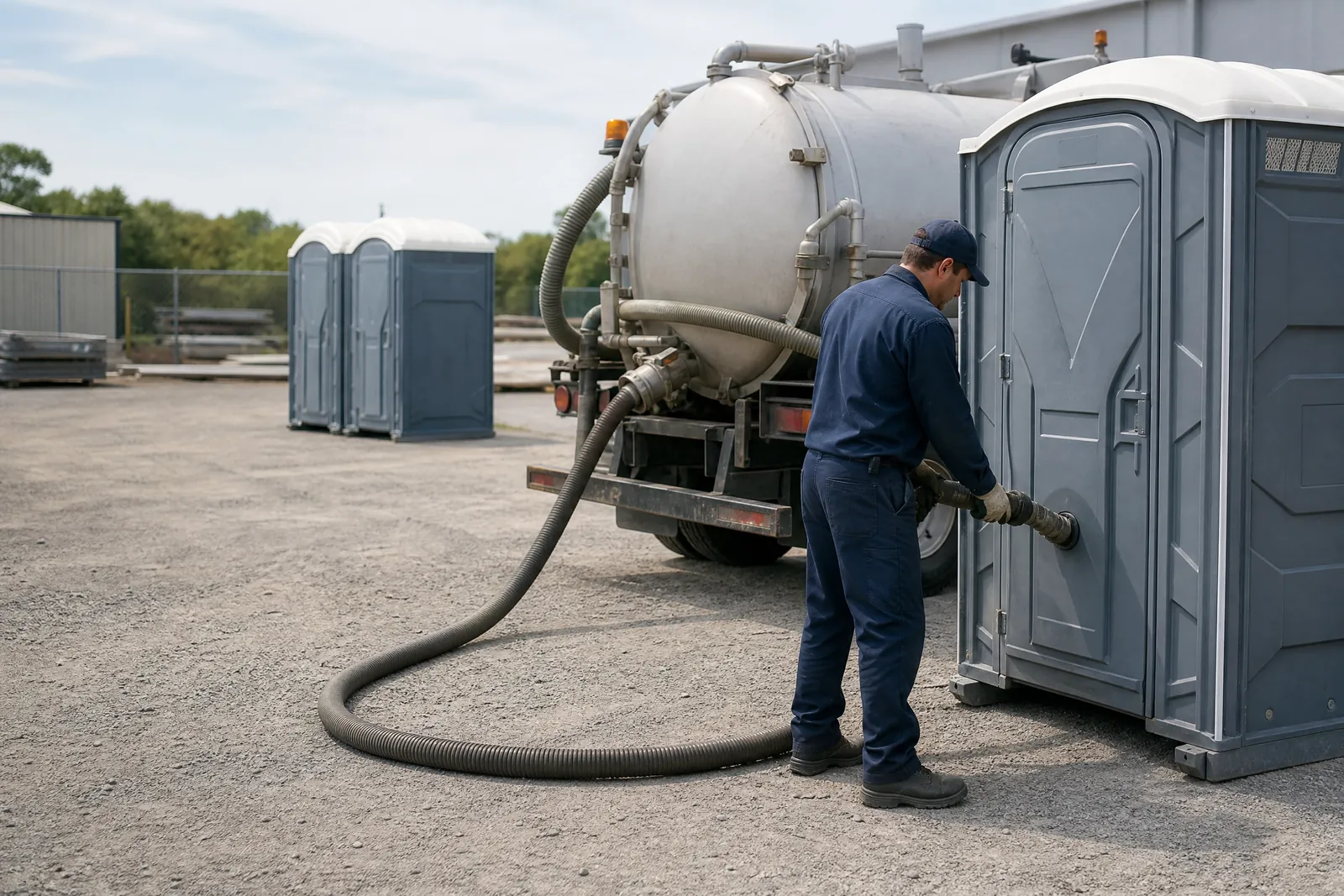
Get A QuoteOngoing unit placement and service planning for extended construction, property work, seasonal operations, and recurring needs.
Get A QuotePlacement and service conversations that consider efficient site flow, handwashing access, and a tidy event or work area.
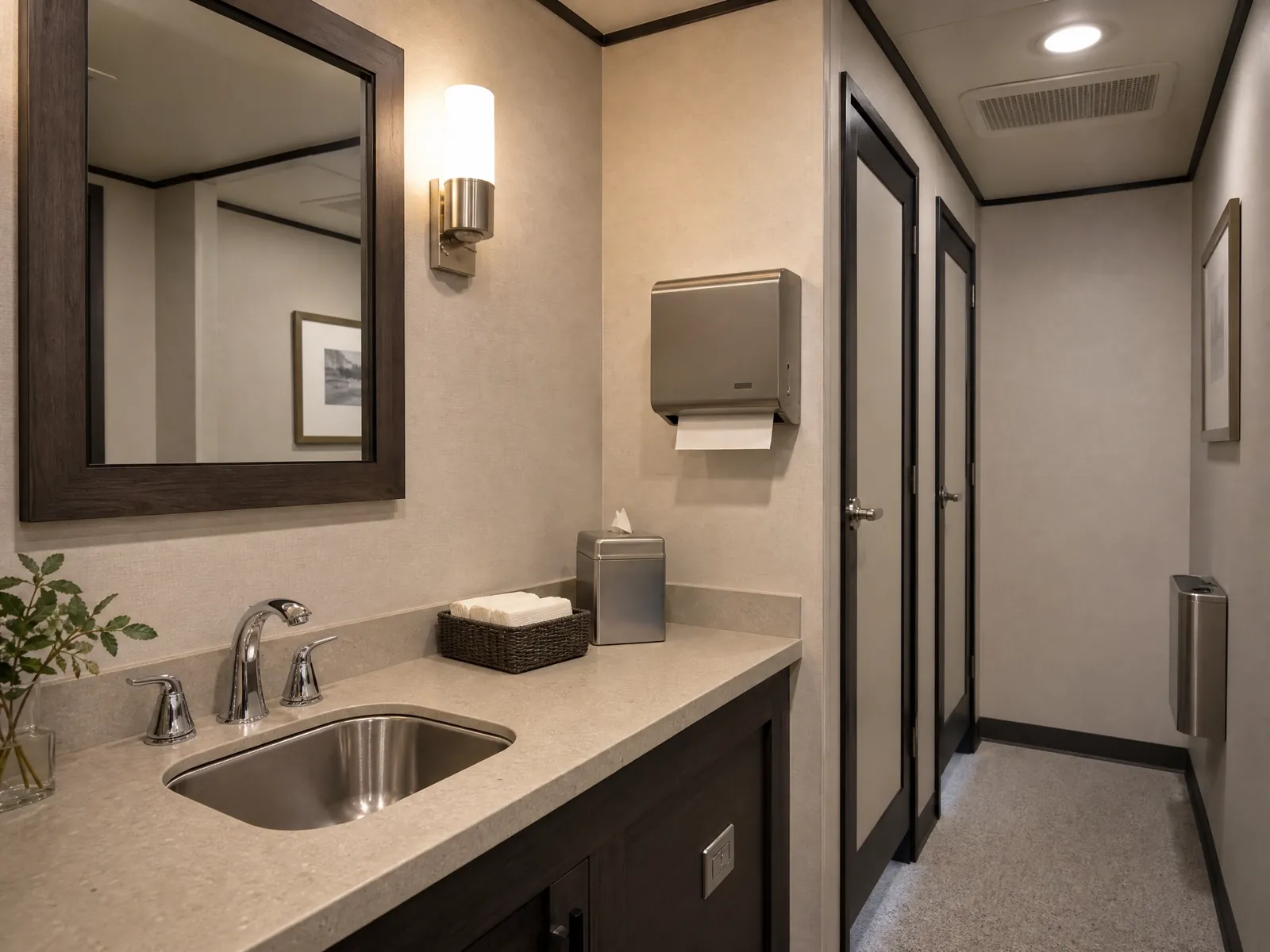
Get A QuotePrivate trailer options for larger events and occasions that call for a more finished restroom experience.
Get A Quote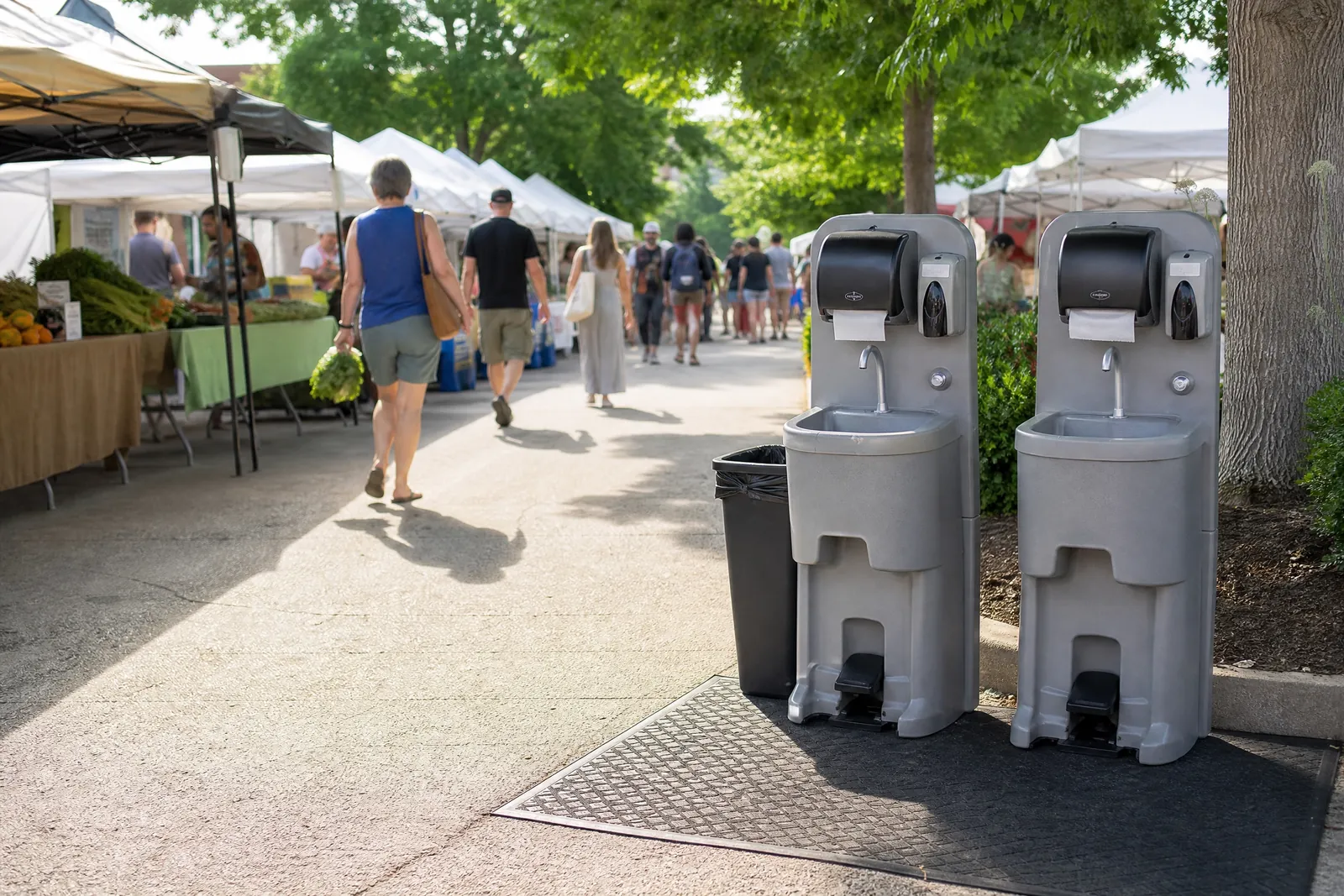
02 / Syracuse rental context
In Syracuse, NY, portable sanitation supports outdoor events, job sites, property work, seasonal gatherings, and the everyday logistics around public-facing spaces. A useful rental plan starts with the setting, then matches service options to the people and activity taking place there.
Lyncourt Compact neighborhoods and busy corridors meet in Lyncourt, where small worksites and community gatherings often share space with local businesses. Street parking, sidewalks, and modest lawns can shape where restrooms and sinks land. Planning usually starts with careful placement on level ground that’s easy to find but doesn’t crowd entrances. When schedules overlap across nearby blocks, clustering units thoughtfully helps reduce foot traffic conflicts and keeps the area feeling orderly and comfortable.
Solvay Solvay pairs industrial roots with residential streets and parks. That mix creates varied needs—from straightforward jobsite setups to event restrooms for fields and community spaces. Ground conditions can vary, so stable surfaces and clear access for servicing are important. For events near ballfields or pavilions, a small handwashing area near concessions can streamline flow. With multiple entry points and parking lots, wayfinding and lighting often guide how guests or crews reach the facilities.
De Witt De Witt includes workplaces, retail areas, and leafy neighborhoods. Projects here may benefit from discreet placement: restrooms set just off main paths, yet visible enough to prevent confusion. Business districts can call for higher-finish solutions like restroom trailers, particularly for formal gatherings. In greener spaces, shade and wind protection help keep units more comfortable through changing weather. Clear routes for servicing—without blocking traffic—tend to shape the best long-term locations.
Mattydale Mattydale’s steady traffic and residential blocks create a need for clear, compact setups. For small festivals or block events, clustering a few units near the main activity hub simplifies signage and monitoring. Jobsites along active roads may require thought about barriers, safe approaches, and predictable access. When space is tight, we focus on door clearances, ground stability, and smart placement of handwashing to reduce crowding while keeping the path from activity to restrooms short and direct.
03 / Common questions
Q: How do I decide between standard units and a restroom trailer? A: Consider guest expectations, event formality, and duration. Standard units are efficient for most uses; trailers add multi-stall capacity and interior sinks for elevated comfort.
Q: Where should portable toilets be placed at a home or business? A: Choose level, stable ground with a clear path for servicing. Keep doors from facing busy entries when possible and allow a few feet of clearance around each unit.
Q: What accessibility steps should I plan for? A: Provide an ADA-accessible unit, keep paths wide and stable, and place restrooms close to main activities. We’ll help choose spots with clear, direct routes.
Q: Do I need handwashing if I’m not serving food? A: It’s still helpful. Sinks or sanitizer near high-touch areas—entries, break zones—can improve comfort and cleanliness for guests and crews.
Q: How are units kept clean during multi-day use? A: We’ll recommend a servicing schedule based on real use, restock supplies, and plan placement that helps units stay tidy between visits.
Q: Can portable restrooms be used in cold weather? A: Yes. We discuss winterization approaches, wind exposure, safe footing, and placement that keeps doors and floors functional in colder conditions.
Q: What should I do before delivery or pickup? A: Clear access routes, unlock gates, and confirm the location is level. Mark the exact spot and ensure vehicles can turn safely without blocking traffic.
Q: Do I need a permit for event restrooms? A: Requirements vary by venue and municipality. Check with your host site or local authority; we can share common placement considerations to support the process.